Exploring the psychology of high-stakes gambling
The allure of risk: Understanding why people gamble
The phenomenon of high-stakes gambling captivates a large segment of the population, often blurring the lines between entertainment and addiction. The rush of placing significant bets triggers a psychological response rooted in the brain’s reward system. When individuals engage in high-stakes gambling, the prospect of winning substantial sums creates an adrenaline rush comparable to extreme sports or other risky activities. This thrill can be intoxicating, leading gamblers to chase the high associated with potential victories, which is often found on platforms like goldbet that cater to such experiences. The emotional highs experienced during a win can lead individuals to return to the betting table, seeking that adrenaline rush repeatedly.
Beneath the surface, the psychology of gambling is complex. Many gamblers are drawn by the allure of risk and the prospect of sudden wealth. This desire often stems from deep-seated beliefs about luck and fate, with many players convinced they have a personal strategy or intuition that will lead to a win. The cognitive bias known as the “illusion of control” plays a significant role here, as players overestimate their ability to influence outcomes that are fundamentally random. This belief can create a false sense of security where individuals continue to place bets even when faced with unfavorable odds, perpetuating a cycle of risk-taking behavior that can escalate over time.
Moreover, social factors contribute to the allure of high-stakes gambling. It often occurs in dynamic environments filled with other individuals who share the same passion, creating a communal experience. Whether in bustling casinos or high-stakes tournaments, this environment enhances the thrill and amplifies emotions. The social aspect of gambling can also offer a sense of belonging and identity, compelling individuals to engage more deeply in what may initially seem like a solitary activity. This social dynamic can amplify the excitement of gambling and create a reinforcing feedback loop where individuals feel the need to gamble more to maintain their social connections.
The impact of cognitive biases on gambling behavior
Cognitive biases significantly influence how gamblers perceive risk and make decisions. One of the most prevalent biases in high-stakes gambling is the “gambler’s fallacy,” where individuals believe that past outcomes can influence future results in games of chance. For instance, a player may think that after a long streak of losses, a win is due, leading them to continue betting in hopes of an imminent victory. This fallacy can encourage gamblers to chase their losses, making riskier bets with the expectation that fortune will eventually swing in their favor. Such misguided beliefs can lead to devastating financial consequences as players become trapped in a cycle of betting that appears to promise redemption.
Another important cognitive bias is the “availability heuristic,” where individuals base their judgments on information that is readily available to them, rather than accurate probability. If a person sees or hears about someone winning a substantial jackpot, they may overestimate the likelihood of similar success happening to them. This overconfidence can lead to more significant betting, as players inflate their perceived chances of winning based on anecdotal evidence rather than mathematical reality. The emotional high of these stories can further compound this effect, leading to more frequent gambling and a distorted perception of risk that can endanger their financial stability.

Lastly, the concept of “sunk cost fallacy” plays a crucial role in high-stakes gambling decisions. Players often continue to gamble, even when they are heavily in debt or facing significant losses, because they feel a psychological need to recover their lost money. This irrational behavior is rooted in the fear of admitting a loss, driving individuals deeper into a cycle of gambling that can result in severe financial and emotional consequences. Understanding these cognitive biases can shed light on why individuals engage in high-stakes gambling despite its inherent risks, highlighting the necessity for increased awareness and education around responsible gambling practices.
The role of emotions in gambling experiences
Emotions are a powerful driver of decisions in high-stakes gambling. The thrill of winning can elicit intense feelings of euphoria, often referred to as the “winner’s high.” This neurochemical rush, driven by dopamine release, can lead to a compelling desire for repeated experiences. Gamblers may find themselves chasing not just monetary wins but the emotional highs that accompany them, potentially leading to a compulsive pattern of behavior. The euphoria experienced during a win can overshadow the negative emotional consequences of losses, trapping individuals in a continuous cycle where the pursuit of those highs becomes a driving force in their gambling habits.
Conversely, negative emotions can also play a crucial role in gambling behavior. Feelings of stress, anxiety, or depression can prompt individuals to seek solace in gambling as a means of escape. The act of placing bets may provide temporary relief from overwhelming feelings, creating a feedback loop where individuals return to gambling to cope with emotional distress. This reliance on gambling as an emotional crutch can lead to a dangerous dependence, exacerbating existing mental health issues and increasing the likelihood of addiction. The interplay between emotional states and gambling behavior highlights the need for mental health support for those engaged in high-stakes gambling.
Moreover, the social dynamics in gambling settings can significantly influence emotional experiences. For instance, when someone wins in a group setting, the collective excitement can amplify the emotional experience, creating a more profound sense of belonging. Conversely, losses experienced in public may lead to increased feelings of shame or embarrassment. These complex interactions highlight how high-stakes gambling is not just a solitary activity; it is deeply embedded in emotional and social contexts that can both enhance and complicate the gambling experience. Understanding these emotional dynamics can help individuals navigate their gambling experiences and seek healthier outlets for their emotions.
The effects of high-stakes gambling on mental health
The mental health implications of high-stakes gambling can be profound and far-reaching. Gambling addiction, recognized as a behavioral disorder, can lead to significant psychological distress, including anxiety, depression, and interpersonal problems. The compulsive nature of gambling can interfere with daily functioning, affecting relationships and work performance. Furthermore, the financial strain that often accompanies high-stakes gambling can lead to feelings of hopelessness and despair, creating a vicious cycle that is challenging to escape. Individuals may find themselves isolated from their support systems as they prioritize gambling over personal connections.
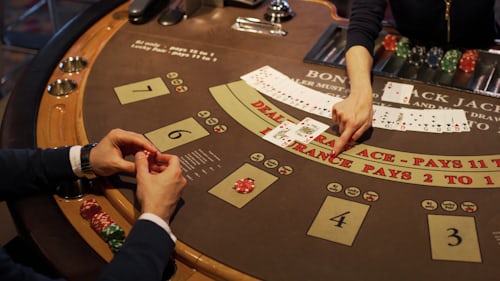
Many who engage in high-stakes gambling may initially perceive it as a form of entertainment; however, the potential consequences can be severe. The stress associated with mounting debts, secrecy surrounding gambling habits, and the fear of losing personal relationships can lead to significant mental health issues. Research indicates that individuals with gambling disorders often experience higher rates of co-occurring mental health disorders, exacerbating their situation and complicating recovery efforts. The stigma surrounding gambling addiction can also prevent individuals from seeking help, leaving them trapped in a cycle of despair.
Addressing the mental health issues tied to high-stakes gambling requires a multifaceted approach. Individuals may benefit from therapy and support groups that focus on both addiction recovery and underlying mental health issues. In addition, educational programs aimed at raising awareness about the risks of high-stakes gambling can help prevent the progression from casual gambling to more compulsive behavior. By acknowledging the mental health challenges associated with high-stakes gambling, society can better support those affected and foster healthier relationships with gambling activities. Collaborative efforts between mental health professionals and gambling organizations can lead to more comprehensive support systems for individuals in need.
Final thoughts: Understanding the complexities of high-stakes gambling
High-stakes gambling is a multifaceted experience, combining elements of risk, psychology, social dynamics, and emotional responses. Understanding the intricate factors that drive individuals to engage in high-stakes gambling can illuminate both the appeal and the dangers associated with it. From cognitive biases that distort risk perception to the emotional highs and lows experienced during play, the psychology of gambling is rich and complex. Recognizing these aspects is crucial for individuals, caregivers, and mental health professionals alike, as it can foster healthier perspectives on gambling and its consequences.
By fostering awareness of the psychological components involved in high-stakes gambling, we can better equip ourselves to handle its potential pitfalls. Whether through educational initiatives or support systems, acknowledging these psychological intricacies can encourage healthier gambling behaviors. Ultimately, the goal is to promote a more informed and responsible approach to gambling, allowing individuals to enjoy the excitement without falling prey to the detrimental effects that can arise from high-stakes betting. Awareness campaigns can play a vital role in educating the public about safe gambling practices.
For more information and resources on understanding and handling gambling behavior, this platform is dedicated to providing comprehensive insights into the psychology of gambling and support options available for individuals facing challenges in this area. By exploring the mental health implications and offering guidance, we aim to foster a healthier relationship with gambling activities and contribute to the well-being of those affected by gambling behaviors. Engaging with educational content can empower individuals to make informed choices about their gambling habits and seek help when necessary.